Put Down the Controller (and Pick It Right Back Up): Why Cozy Games Are Saving Burned-Out Players
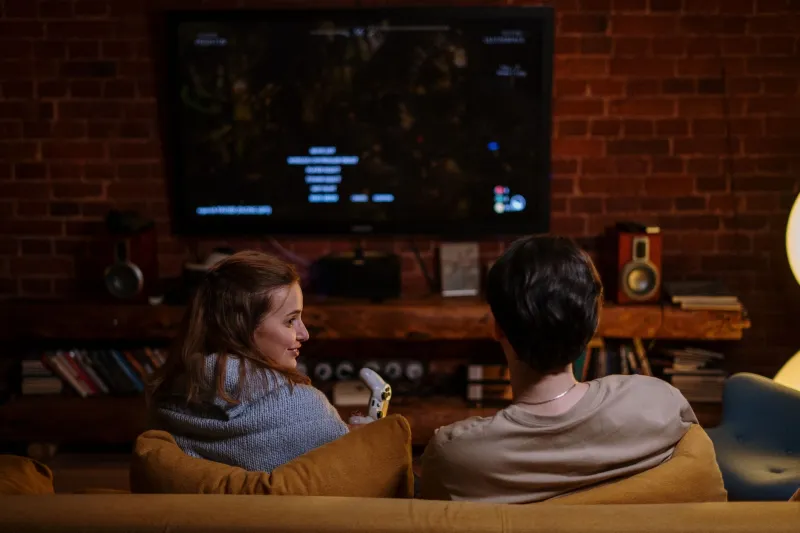
Let me paint you a picture. It's a Sunday evening. You've got a few hours free. You sit down to play something, scroll through your library for ten minutes, and then... close the console entirely and watch TV instead. Not because the games aren't good. Because you're tired in a way that a boss fight or a ranked match can't fix.
If that sounds familiar, you're not alone. Gaming burnout is a real and weirdly under-discussed phenomenon, especially in the US gaming community where the dominant culture still prizes completion, competition, and optimization above almost everything else. We've built a hobby that can feel, at its worst, like another form of work.
Cozy games are the counterargument to all of that.
What Even Makes a Game "Cozy"?
The term gets thrown around a lot, and it's worth pinning down. A cozy game isn't defined by any single mechanic — it's defined by a feeling. These are games built around low stakes, gentle pacing, and the kind of atmosphere that makes you want to wrap yourself in a blanket while you play.
Conflict, when it exists at all, tends to be minimal or optional. The satisfaction comes from somewhere else entirely — tending a garden, decorating a home, having a quiet conversation with a character you've come to care about, or simply exploring a world that feels good to be inside.
Story and atmosphere do the heavy lifting in this genre. Instead of a narrative that drives you forward with urgency and danger, cozy games often offer something more like a gentle current — a sense of unfolding that rewards patience rather than aggression.
The Burnout Problem Nobody Talks About
Here's an honest observation: a lot of the most popular games in America are exhausting. Not in a bad way, necessarily — but in the way that anything demanding can be exhausting. Live-service games with daily login bonuses and seasonal battle passes. Competitive shooters where every loss stings. Open-world epics with 80-hour completion times and 400 side quests.
These games are impressive. They're often genuinely brilliant. But they can create a relationship with gaming that starts to feel obligatory. You log in not because you want to, but because the streak will reset. You grind not because it's fun, but because the gear gap is closing in.
That's how a hobby becomes a chore — and that's exactly when burnout sets in.
Cozy games break that cycle because they don't demand anything from you. There's no optimal play session length. No penalty for taking a week off. No leaderboard reminding you that someone else is better. They exist to be enjoyed on your own terms, at your own pace.
Story as the Engine, Not the Reward
One of the things that makes narrative-driven cozy games particularly effective for burned-out players is how they reframe storytelling. In most mainstream games, story is the carrot — you push through the hard stuff to get to the next cutscene. In cozy games, story is the atmosphere itself.
Take A Short Hike, a tiny game where you wander a national park, chat with other campers, and slowly piece together a small, quietly moving story about connection and getting away from it all. There's no villain. No time pressure. The narrative emerges from the texture of the world rather than from plot mechanics.
Or consider Spiritfarer, which wraps a deeply emotional meditation on grief and letting go inside the mechanics of a cozy management game. You're ferrying spirits to the afterlife, cooking them meals, building them homes. The story doesn't happen at you — you live inside it.
This approach to narrative is genuinely healing in a way that's hard to quantify but easy to feel.
Where to Start: Five Entry Points for the Cozy-Curious
If you're new to this corner of gaming, the options can feel overwhelming. Here are five places to begin, depending on what kind of tired you are.
For the Competitively Burned-Out: Start with Stardew Valley. It has enough structure to feel purposeful, but zero pressure. Farm at your own pace, befriend townsfolk, and let the seasons roll by. It's basically a warm bath in game form.
For the Narrative Craver: Try Unpacking. It's a puzzle game where you unpack boxes across different chapters of a woman's life. There's no dialogue — just objects and the stories they imply. It's one of the most emotionally resonant games of the last few years, and it takes about four hours to finish.
For the Explorer: A Short Hike is perfect. It's genuinely short (you can finish it in two hours), impossibly charming, and feels like a mini-vacation from everything.
For the World-Builder: Cozy Grove or Palia offer that satisfying loop of building and decorating without any of the anxiety. Show up when you want. Leave when you're ready.
For the Story-First Player: Venba is a gorgeous, emotionally rich game about a Tamil immigrant family in Canada, told partly through cooking recipes. It takes about an hour to complete and will stay with you for much longer.
Why This Genre Matters Beyond the Individual
Cozy games aren't just good for burned-out players — they're good for gaming as a medium. They're consistently among the most welcoming entry points for people who don't identify as "gamers" in the traditional sense. They attract players who might never touch a shooter or an action RPG but find themselves genuinely moved by a game about running a café or caring for a magical forest.
That's an expansion of gaming's audience that benefits everyone. More players means more diverse perspectives feeding back into game development. More developers making cozy games means more innovation in gentle, narrative-driven design. And more people experiencing the quiet magic of a well-crafted game world — without fear, without pressure, without a scoreboard — means the medium gets to grow into something bigger and more meaningful than it already is.
Permission to Rest
Maybe the most radical thing about cozy games is what they implicitly say to the player: you don't have to earn this. You don't have to be good at it. You don't have to finish it. You can just... be here for a while.
In a gaming culture that often equates value with difficulty and completion, that message is quietly revolutionary. And for anyone who's ever sat in front of their game library feeling more dread than excitement, it might be exactly what they needed to hear.